What Are Blue Zones and Why Do They Matter?
Across the world, there are a handful of places where people are far more likely to live into their 90s and 100s, often with their health, independence and social lives largely intact. These places are known as Blue Zones.

The term “Blue Zones” comes from demographer Michel Poulain and physician Gianni Pes in the early 2000s. They used a blue pen to circle villages in Sardinia on a map where unusually high numbers of centenarians were found. Those circled areas became known as the “blue zones.”
The concept was later introduced globally by Dan Buettner, through his work with National Geographic and his books, which expanded the research to include Okinawa, Ikaria, Nicoya and Loma Linda, and translated the findings into the nine principles.

The idea of Blue Zones emerged from decades of demographic research and fieldwork that set out to answer a simple question: where do people live the longest, and why? What researchers found was not a single secret or genetic advantage, but patterns of daily life that support longevity over time.
Despite being culturally, geographically and historically different, these regions share common conditions. Here is a closer look at the five original locations referenced in the Blue Zones study.
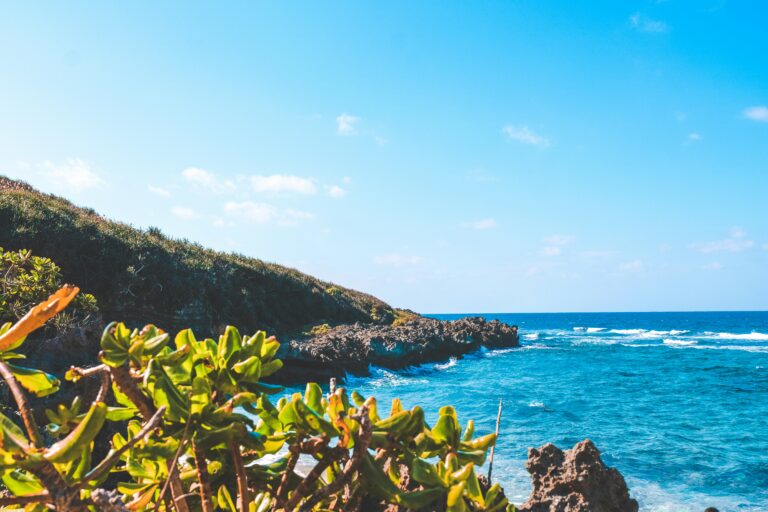
Okinawa, Japan
In 1976, the Japanese island was first reported to have a percentage of centenarians seven times higher than the rest of the country. Often referred to as the “land of the immortals,” Okinawa is home to some of the longest-living women in the world.
Life here is deeply social. People form lifelong friendship groups known as moai, small circles that provide emotional, practical and financial support across decades. Meals are simple and plant-forward, movement is built into daily life and elders remain visibly involved in family and community life well into old age.
Sardinia, Italy
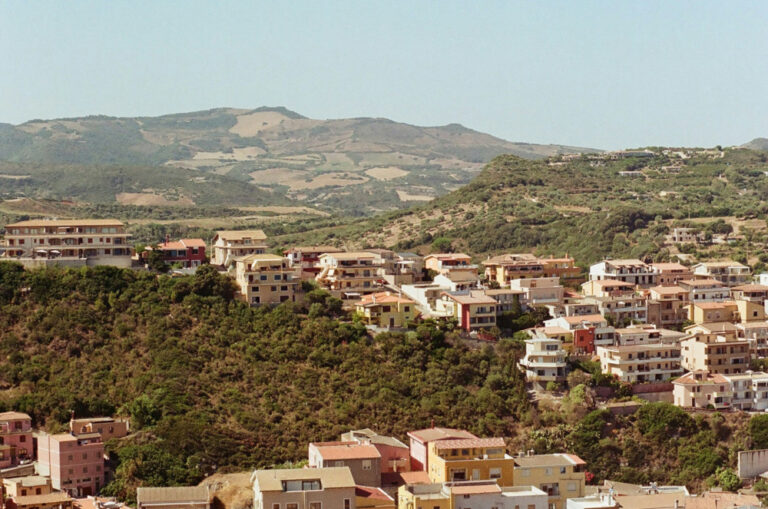
The Sardinian blue zone is located across six villages in the east-central part of the island, a region called Ogliastra. Here, the percentage of centenarians among people born between 1880 and 1900 was approximately five times higher than in the rest of Europe and three times higher than in Sardinia as a whole. That proportion has only increased since the original analysis.
Life here is shaped by physical terrain and tradition. Walking steep hills, tending animals and gathering regularly with family and neighbours are part of everyday routines. Social life centres around shared meals, conversation and multigenerational households, where older adults retain a strong sense of purpose and respect.
Ikaria, Greece
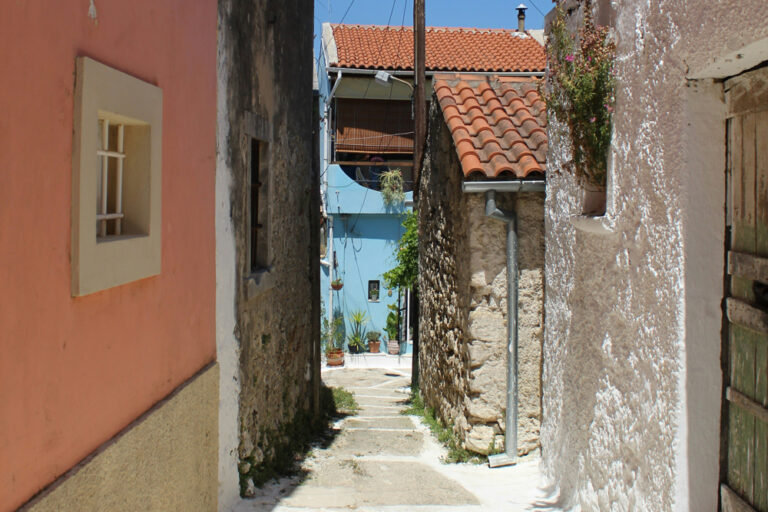
Ikaria is a small Greek island in the Aegean sea, with a population of about 8,000 people.
When it was first identified as a blue zone in 2009, the percentage of residents aged 90 or older was around three times the national average and surveys confirmed an unusually high number of nonagenarians and centenarians on the island.
Rates of chronic disease, including dementia, are notably low. Life moves at a gentler pace. Days are structured around communal meals, afternoon rest and regular social gatherings. There is little emphasis on schedules or productivity, and strong social ties mean people are rarely isolated, even in later life.
Nicoya Peninsula, Costa Rica
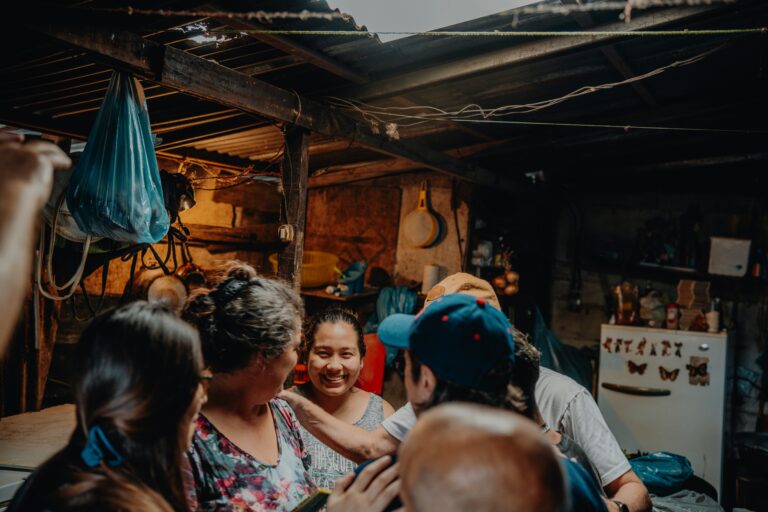
The Nicoya blue zone spans five neighbouring cantons, Santa Cruz, Carrillo, Nicoya, Nandayure and Hojancha in the northern part of the Nicoya Peninsula in Costa Rica.
In Nicoya, longevity is often attributed to a strong sense of plan de vida, a reason to wake up each morning. Many residents continue working, caring for family or contributing to their community well into old age. Diets are simple and consistent, built around beans, corn, squash and fruit. Family structures are close-knit and daily life encourages regular movement without formal exercise.
Loma Linda, California, USA
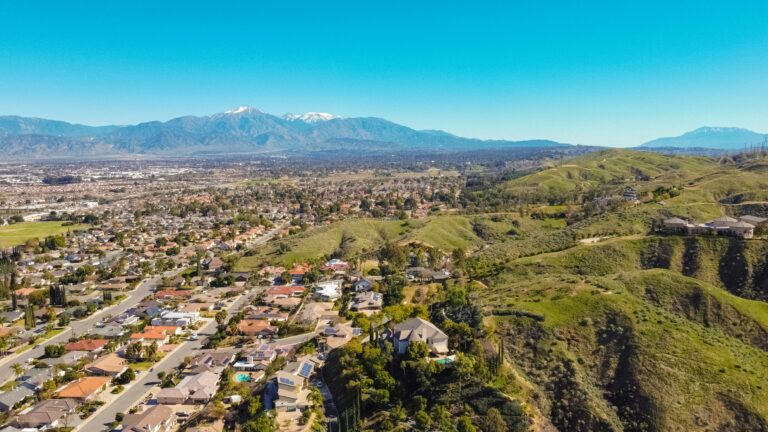
Loma Linda stands apart geographically but not culturally. This community is largely made up of Seventh-day Adventists, whose shared beliefs shape daily habits. Smoking and excessive drinking are uncommon, diets are often plant-based and weekly rest is treated as non-negotiable. Strong faith networks and social support systems play a central role in reducing stress and reinforcing healthy behaviours.
What Connects These Places?
From Japanese islands to Mediterranean mountains, from Central America to Southern California, these communities look very different on the surface. Yet the patterns beneath them are strikingly similar.
People move naturally, eat simply, feel needed and stay socially connected. Healthy choices are not framed as discipline. They are embedded in the way daily life is organised. Longevity, in this context, is not the result of individual effort alone. It is the outcome of environments that make wellbeing easier to sustain.
In the posts that follow, we will explore the nine Blue Zones principles that show up repeatedly across these regions. Not as rules to follow, but as lenses. Ways of understanding how small, everyday conditions can support longer, more connected lives.
Join the Revolution: Embrace Our Resident App Today!
Ready to experience a revolution in residential living? Reach out now and embrace the future of living and become part of a vibrant, empowered movement redefining the way we live.