Inside the National Retirement Living Summit 2026
On 15 to 17 June, the Generator team attended the Property Council of Australia National Retirement Living Summit at The Star Brisbane, hosted by Marcus Pearce, Longevity & Life Design Speaker & Mentor. We joined operators, industry leaders and policymakers from across Australia who were there to discuss the future of retirement living.
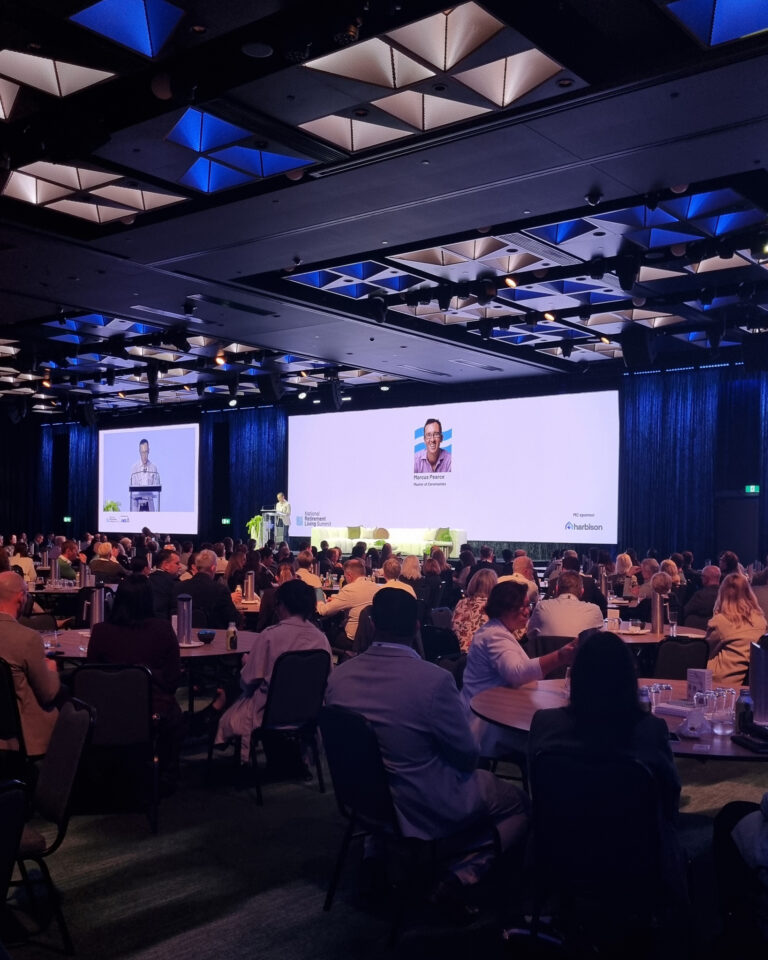
Daniel Gannon Opens The Summit
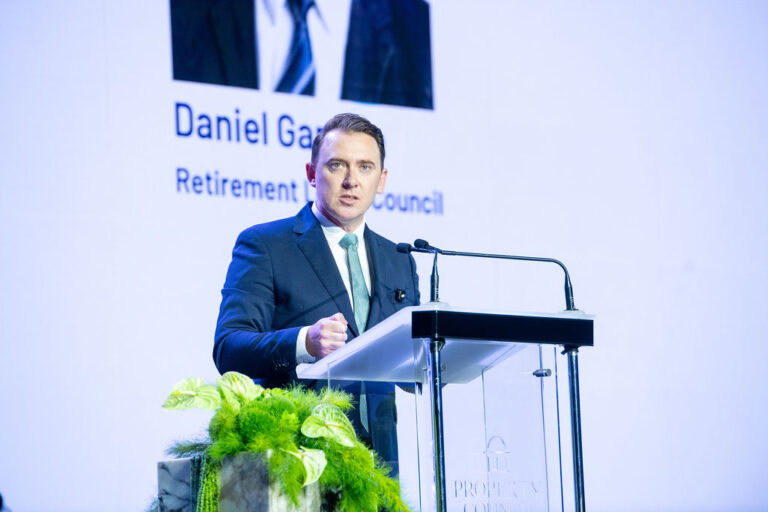
Daniel Gannon, Executive Director of the Retirement Living Council, opened the summit with a message about the pressure facing the retirement living sector right now, and how decisions made by the people in the room will influence the future.
Gannon stressed that the sector must be honest about what the federal budget reveals and the dangers of framing ageing as a burden. He added that everyday Aussies must be part of the national conversation, because behind every decision is a person with hopes for the future.
It isn’t about one or the other: having independence versus having support, or having freedom versus having care. We need to bring everyone together, he said. We can’t afford a conversation that pits one generation against another.
The retirement living sector needs to keep making its case with clarity and force. It’s a sector built on community and choice. But if the homes aren’t there, the promise isn’t real, he stressed. We cannot solve an ageing challenge while in the midst of a housing shortage. The sector’s response must be bold and constructive.
Right-sizing works for Australians. Retirement living is not the end of the housing chain. It’s the key. Our job as representatives of the sector, he said, is not to defend it, but to define it.
View from the Top: Full Villages, but Building isn’t Keeping Pace
Villages are full, waiting lists are growing and residents are happy, yet the industry still isn’t building fast enough to meet demand.
On the View from the Top Panel, Aveo CEO Tony Randello pointed out that just six years ago the company had 20% vacancy across a large part of its portfolio, but today the problem has flipped entirely, with full villages and a development pipeline that can’t keep pace. For Randello, the real blockers are planning delays, construction costs and hurdle rates that don’t stack up in the current environment. He challenged the room to have more honest conversations with banks, capital partners and investment committees about accepting lower returns now to build for the future.
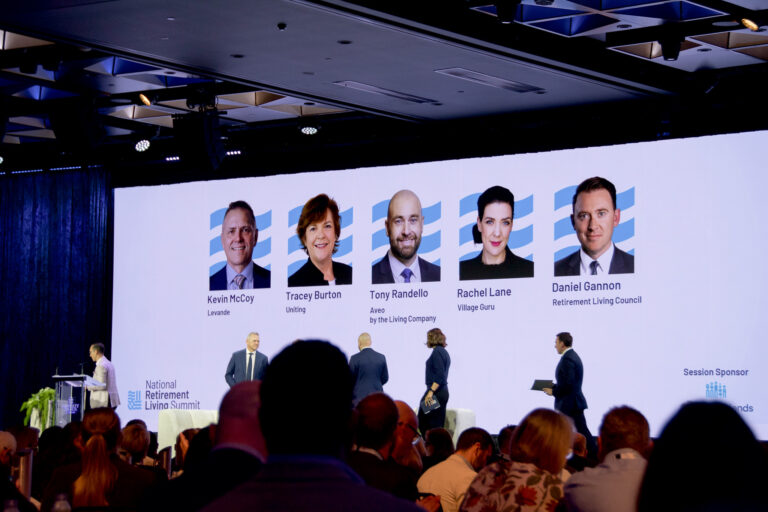

Levande CEO Kevin McCoy struck a similar tone, noting the company has seven active construction sites and is targeting 200 new units in 2027, scaling toward 300 a year after that, despite a housing shortage he expects to worsen before it improves.
Rachel Lane, Principal of Village Guru, brought the conversation back to consumers, warning that many people on waiting lists don’t fully understand the financial choices ahead of them. Using a $1 million apartment as an example, she showed that paying 20% upfront rather than through a deferred management fee can save roughly $120,000 to $150,000 in deferred costs, add around $156,000 in pension payments over ten years, and cut support-at-home co-contributions by about $8,000 a year, adding up to a difference of approximately $386,000 over a decade. Her message to operators was simple: give residents a genuine, well-explained choice.
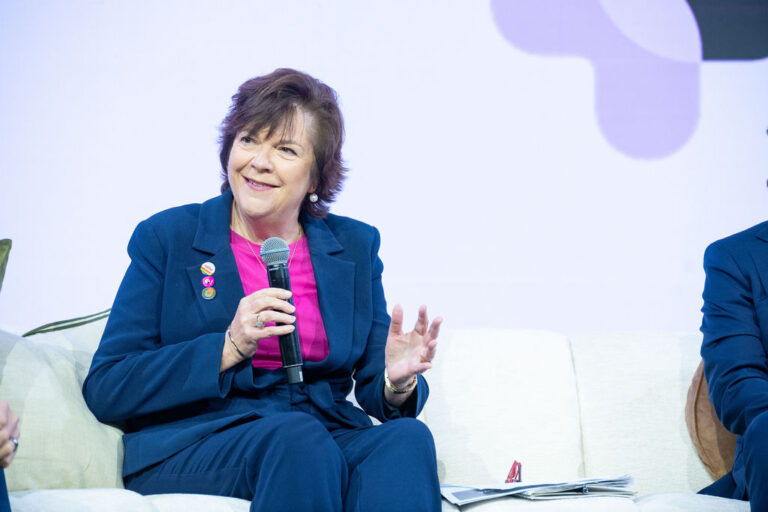
Uniting NSW/ACT CEO Tracey Burton, drawing on her view across the full care continuum, warned that the country cannot build its way out of the looming aged care bed shortage, and that the pressure is already landing on retirement villages as residents struggle to access the care they need. In response, Aveo is now co-locating aged care on every new development and shifting toward flexible, dial-up-or-down service models, while McCoy pointed to wellbeing officers, funded in half of Levande’s villages, as a proven way to lift outcomes as AI takes on more administrative load.
Rachel Lane raised a caution for the room to sit with: as retirement living and aged care providers grow more closely linked, there’s a real risk of creating a system of haves and have-nots, where only residents of affiliated villages get timely access to care.
Tracey Burton’s Parting Words
It was Tracey Burton’s final National Retirement Living Summit as Uniting CEO, and Daniel Gannon gave her the final word.
Her answer was advocacy. Burton spoke about the importance of staying active in that space, supporting the Council and working alongside other bodies, particularly consumer representatives and Ageing Australia, to push for real systemic change. She urged the sector to use its voice rather than simply receive policy handed down to it, and to keep pushing for what will genuinely serve senior Australians better.
Retirement Living Census Launch
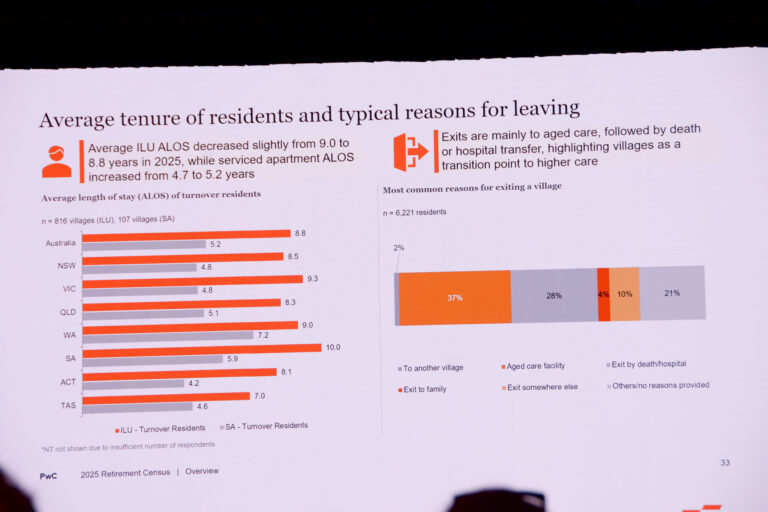
The sector’s most important dataset was unpacked at the summit with the launch of the Retirement Living Census. Meredith Chester (CFA, PwC) and Funminiyi Oduko (PwC) revealed the latest insights shaping how governments, investors and operators understand the sector.
The 2025 Census achieved record participation, capturing 100 operators, 1,123 villages and around 100,000 units. A full house of 800+ delegates heard Meredith and Funminiyi outline the key themes. Overall, the sector remains resilient, with strong affordability, low vacancy, positive resident sentiment and expanding care and services. That said, there are emerging signals to watch, including narrowing affordability gaps, rising vacancy, a softer near-term pipeline and more varied service models.

Some of the key statistics introduced at the launch:
- Affordability varies by market, with a 61% average two-bedroom price-to-median house price ratio
- Vacancy remains low at 1%, with 11,000 new units forecast by 2031
- The average entry age for residents is 76
- 43% of villages offer support-at-home services
- The sector’s NPS score rose to 57
- 61% of operators offer services beyond retirement living
The census underscored the need for strategic planning to meet future demand.
Vacancy and Waitlist Dynamics
Vacancy rates remain stable across the industry, sitting at 1%, with higher levels recorded in Victoria. 38% of villages have a waitlist, and 70% of those waitlists relate to products priced at $1 million.
Market Velocity and Operator Strategies
The census introduced new measures of market movement, highlighting high-pressure regions such as South Australia, Adelaide Metro and Perth Metro. 49% of operators now offer housing options beyond retirement living, including community care, social housing and residential aged care, reflecting deeper integration with the wider social housing ecosystem.
Affordability and Monthly Service Fees
Monthly fees rose 3.2% to an average of $645, increasing with the number of bedrooms in a village. 23% of villages charge the same monthly fee regardless of unit size, and the correlation between independent unit property price and monthly service fee remains strong.
Resident Turnover and Refurbishment Costs
The majority of residents exit either to aged care or upon passing away. 24% of turnover refurbishments cost $100,000 or more, with one-bedroom units showing the highest proportion of high-cost refurbishments. For villages over 16 years old, the majority of refurbishment costs sit at $80,000 or above.
Resident Experience and Support Services
Resident experience was measured through NPS and satisfaction ratings. The sector’s NPS score sits at 57, with for-profit organisations performing slightly better. 43% of villages offer support-at-home services, with health and fitness programs the most common offering. The sector continues to expand beyond traditional retirement living into care and community services.
Conclusion
Retirement living remains a resilient sector, and data is proving essential in addressing its challenges. The census points to the need for a nuanced approach to affordability, demand and supply, as the resident proposition broadens to include care and community services. With significant challenges ahead, census data will be crucial in helping the industry navigate what comes next.

Community Tours and Golf Day
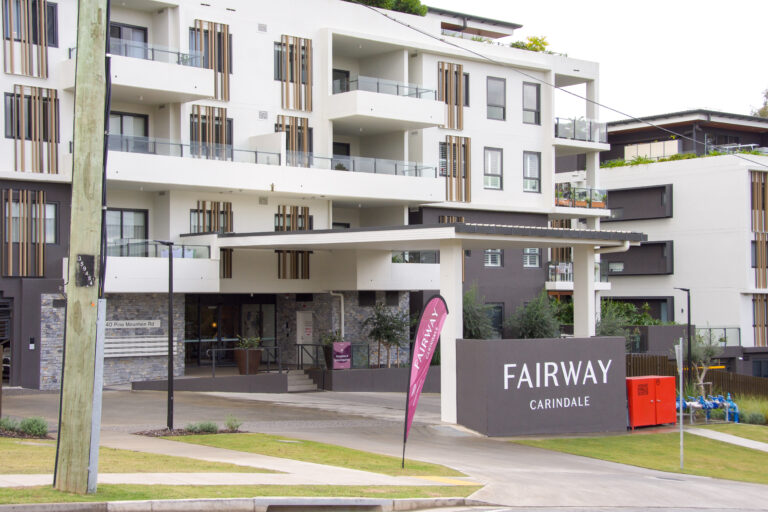
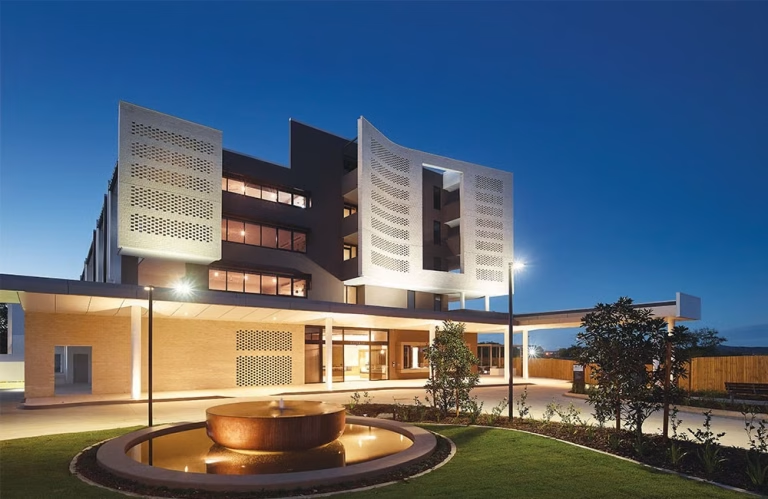
Alongside the sessions, delegates had the opportunity to tour two communities we’re proud to support: Kingsford Terrace at Corinda (by Aura Holdings) and the Fairway community at Carindale (by Reside Communities), along with a Golf Day at Pacific Golf Club.
Closing Reflections
Across three days in Brisbane, the message from the National Retirement Living Summit was that retirement living is no longer a niche corner of the housing conversation. It’s central to solving Australia’s broader housing and ageing challenges. The Generator team was grateful for the opportunity to attend and hear directly from the leaders shaping this conversation.


Related Links
- National Retirement Living Summit Property Council Australia
Full, but can’t build fast enough: sector leaders deliver a frank view from the top Hello Leaders
Join the Revolution: Embrace Our Resident App Today!
Ready to experience a revolution in residential living? Reach out now and embrace the future of living and become part of a vibrant, empowered movement redefining the way we live.