The Hidden ROI of Resident Experience
In many living communities, the Resident Experience is often seen as a service cost. But well-designed customer service and support systems can deliver measurable financial returns. Understanding the return on investment (ROI) of customer experience technology enables operators to focus on high-impact initiatives and scale their operations efficiently.
The Value of Putting Residents First
Research highlights the measurable impact of prioritising the customer experience. According to studies from Salesforce, McKinsey & Company, Zendesk and Deloitte:
- 90% of businesses across industries say customer experience is now their primary focus.
- 71% of customers expect personalised interactions, and 76% become frustrated when those expectations are not met.
- 70% of customers expect any staff member they interact with to have full context about their situation.
- After a positive customer experience, 77% of people are likely to recommend the organisation to friends.
- Organisations that fail to invest in modern service technologies report lower customer and employee experience scores.
- Managers say they are spending nearly one full day out of every week on administrative work, reducing time available for meaningful customer interactions.
- There is a strong link between employee satisfaction and customer satisfaction, highlighting the importance of equipping teams with the right tools and processes.
These findings show that investing in the Resident Experience can deliver real business results, especially for operators of lifestyle communities, over-50s communities and land lease developments.
Where Service Costs Accumulate
Operations teams often spend a large portion of their time handling repetitive enquiries. According to the Deloitte Customer Excellence Survey 2025, the most common reasons support is contacted include:
Top reasons customers contact support
-
52% Reporting an issue
-
49% Complaints
-
49% Requesting information
-
46% Payment or invoicing enquiries
-
41% Reporting a technical problem
-
37% Checking the status of a case
Many of these requests involve simple tasks or information that customers could easily access themselves.
When these enquiries require manual responses, they increase operational costs and limit the time service teams can spend on higher-value interactions.

Self-Service as an ROI Driver
Self-service tools let residents handle simple tasks on their own, which reduces workloads for staff. In 2025, the share of enquiries resolved entirely through self-service rose from 24% to 30% compared to the previous year. This shows how self-service can make life easier for residents while saving time for teams.
From an ROI perspective, self-service can deliver value in several ways:
- Reduced service workload – Automating routine tasks reduces the number of enquiries that require manual handling.
- Improved operational efficiency – Teams spend less time on administrative work and more time on complex or high-value interactions.
- Faster response times – Residents can resolve simple issues instantly rather than waiting for support.
- Higher customer satisfaction – Convenience and speed improve the overall resident experience.
Self-Service Opportunities for Community Operators
For community operators, many routine interactions can be handled through simple digital tools. With the Generator platform, communities can introduce self-service capabilities such as:
- Maintenance requests – Residents can lodge issues through the app and track updates without needing to call or email.
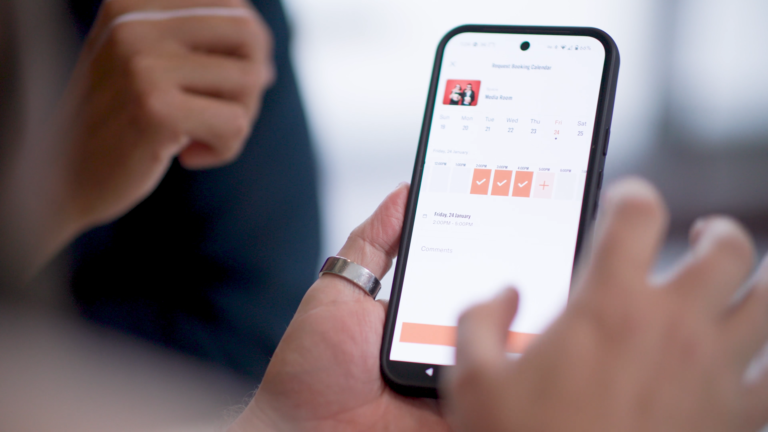
- Bookings for services and spaces – Residents can make and manage bookings themselves, including changes and cancellations.
- Event bookings – Residents can register for community events and manage payments directly within the app.
- Custom forms – Forms such as pet approvals, leave applications, volunteer sign-ups and feedback forms can be submitted digitally.
- Community documents and information – Resources such as resident handbooks, FAQs and visitor policies can be accessed anytime.
These tools reduce the volume of manual service tasks for teams while providing residents with greater convenience.

The Value of Unified Resident Data
Resident insights also play a key role in measuring the value of customer experience initiatives. When information is fragmented across multiple systems, teams lose visibility and efficiency.
A unified platform such as Generator creates a single view of each resident, enabling teams to personalise their interactions, avoid redundant communication and proactively resolve issues
For example, with the Generator platform, a team member can see recent maintenance requests before speaking with a resident, allowing them to address concerns immediately and turn a potentially negative interaction into a positive one.

ROI Through Team Capacity and Better Resident Experiences
For living communities, relationships play a critical role in long-term success.
When repetitive tasks are automated through self-service tools, teams gain more capacity to focus on activities that drive long-term value, including proactive resident engagement, relationship building, community activities and personalised support.
This shift allows organisations to maintain strong customer relationships without continually increasing staffing costs.
At Generator, we help community operators of land lease communities, over-50s communities, lifestyle villages and retirement communities bring together Sales, Service and Marketing into a single CRM platform, enabling teams to scale efficiently while maintaining strong customer relationships. If you’re interested in learning how self-service tools can deliver measurable ROI for your community operations:
Sources
- Stop wasting your most precious resource: Middle managers McKinsey & Company
- Customer Service Excellence 2025 Deloitte
- Salesforce State of Service Report Salesforce
- Best of both worlds: Customer experience for more revenues and lower costs McKinsey & Company
- 35 customer experience statistics to know for 2026 Zendesk
-
25 Must-Know Customer Experience Statistics [2026]: The Benefits Of A Positive Customer Experience Zippia
Join the Revolution: Embrace Our Resident App Today!
Ready to experience a revolution in residential living? Reach out now and embrace the future of living and become part of a vibrant, empowered movement redefining the way we live.